Why We Keep Looking for Wisdom in Athens
Have you ever wondered why, out of all the cultures in history, we keep coming back to Ancient Athens whenever we are searching for answers? Why this place and this period inspire us so much? Whether it is happiness, politics, morality, creativity, or the meaning of life (yes, just the small things), somehow the Greeks got there first.
Because Greek Philosophy Was One of the First Deep Dive into Human Nature
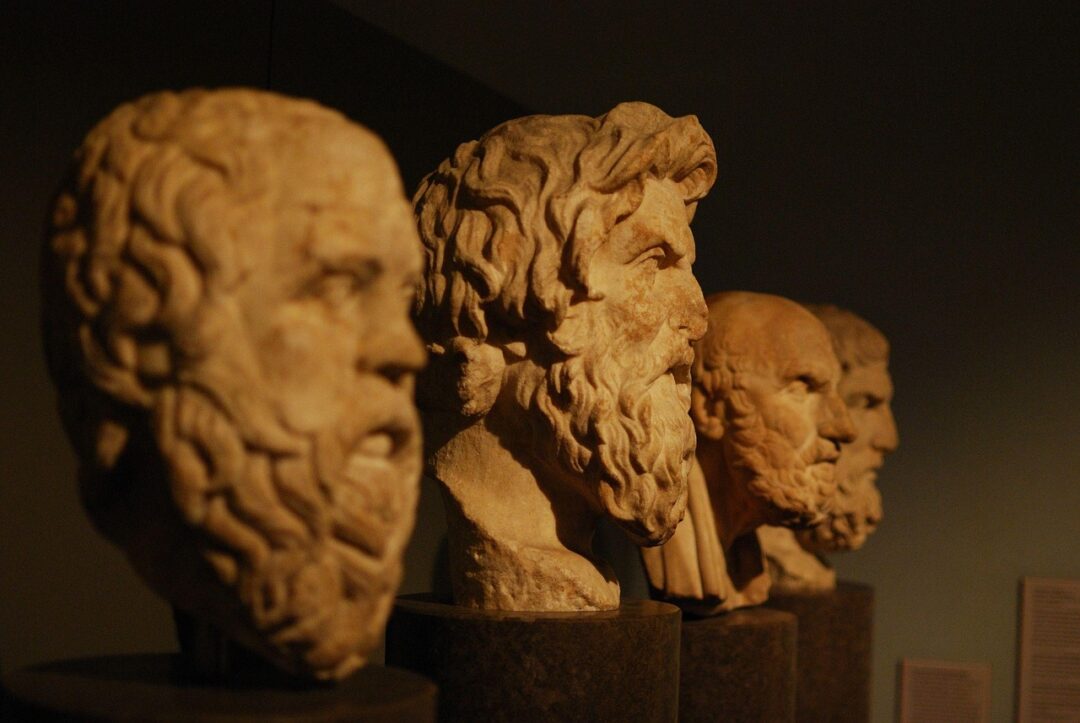
We often imagine philosophy as distant or complicated, but the classical thinkers were surprisingly down to earth. Socrates did not write grand treatises; he walked around Athens asking people uncomfortable questions. Plato wondered what justice actually means. Aristotle studied everything: politics, ethics, biology, theatre, even why we find certain things beautiful. If you have ever read a modern book on well-being, productivity, ethics, or relationships, chances are you have met a Greek idea wearing a new outfit.
For example, stoicism teaches emotional resilience and has become a modern lifestyle trend. Epicureanism encourages simple pleasures and meaningful friendships. Aristotle’s ethics explore how habits shape who we become.
These ideas survived because they deal with timeless challenges: how to be good, how to be happy, and how to live a meaningful life. Humans have not changed as much as we think.
Because Myths Helped Make Sense of Chaos and Still Speak to Us Today
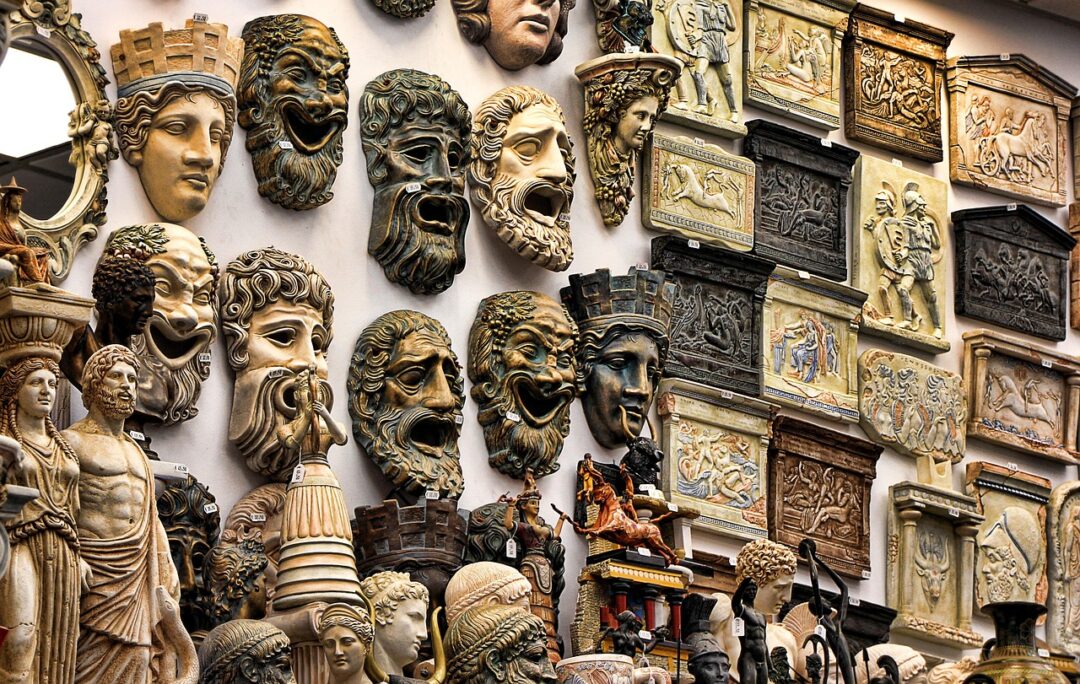
We love Greek myths not just because they are dramatic (though they truly are), but because they were ancient explanations for universal experiences.
They were not just stories. They were part of how ancient Greeks understood their world, blending belief and imagination to explain natural forces and also human emotions.
Why does the sea suddenly turn violent? Poseidon might be unsettled.
Why does a harvest fail? Demeter could be grieving.
Why do humans fall in love foolishly or fiercely? Well… Aphrodite.
These myths gave the Greeks symbols and archetypes we recognise instantly: the doubtful hero, the stubborn rebel, the clever trickster, the lover who risks too much. They remind us that our questions, fears, and hopes are ancient and shared.
Myths endure because they are mirrors. We look at them and see ourselves, our mistakes, our courage, our confusion, and our ongoing search to understand the world.
Because Debate, Curiosity, and Questioning Were Practically National Sports
The ancient Athenians did not just invent democracy; public debate was part of daily life. Ideas were meant to be challenged, sharpened, explored.
This tradition of not accepting the first answer, of digging deeper, shaped Western education, science, and political thought. And it is something many people rediscover when they explore Greece: the joy of asking questions.
Some visitors tell me that Athens makes them feel oddly inspired, as if simply being here encourages reflection. Honestly, I think the city still carries the echo of centuries of curious minds.
Because in Athens, Wisdom Still Feels Tangible
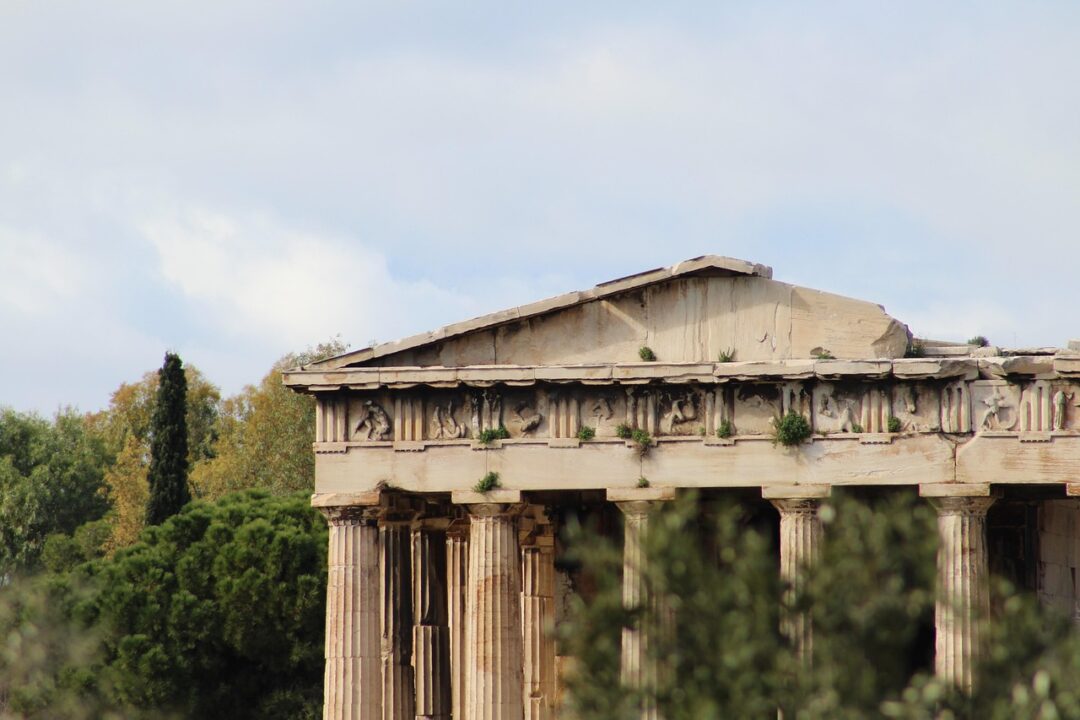
One of the most surprising things about Athens is how alive the past feels. You can be sipping a freddo espresso and suddenly realise you are only a few steps away from where Socrates debated. You might notice an owl carved on a building, the ancient symbol of wisdom. Or you look up from a modern street and see the Acropolis watching over you as it has for thousands of years.
It is not just history. It is continuity.
This is why so many people who come to Greece are not just sightseeing. They are seeking connection, meaning, a moment where life feels bigger yet clearer.
So Why Do We Keep Returning to Ancient Greek Wisdom?
Because it shows us that humans have always searched for the same things we search for today. And somehow, it is comforting to think that we are part of a much longer story.
You do not need to be a philosopher to appreciate that. You just need to be curious.
A Little Insider Tip Before You Go
If you feel inspired to explore Athens through the lens of wisdom, here are some things you might want to know:
• Visit Plato’s Academy Park and Digital Museum
This is not a mainstream sight, but a peaceful archaeological site in a local park, the very place where Plato taught. Walk the same ground his Academy once stood on, then stop by the small Digital Museum for an engaging introduction to his ideas and the birth of Western philosophy. It is interactive, insightful, and free.
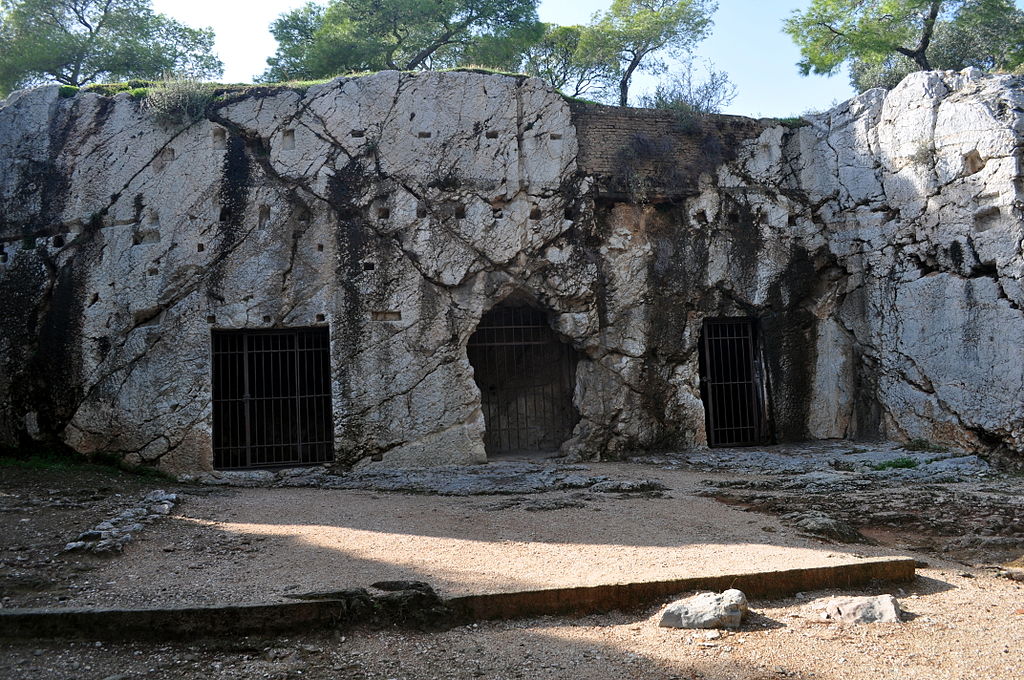
• The So-Called “Prison of Socrates” on Filopappou Hill
You may feel tempted to visit it (and you should), but with the right expectations: despite the name, Socrates was almost certainly not held here before his trial, but most probably in the area of the agora. Still, this carved-stone chamber is atmospheric, the hill is beautiful for a walk, and the views are absolutely worth it. It is actually my favourite place for a walk in Athens! The hill is also known as the Hill of the Muses, so do not be surprised if inspiration finds you.
Written by Maelle, founder of CultureHunters — designing experiences to connect with Greek stories, from its ancient roots to its modern pulse.